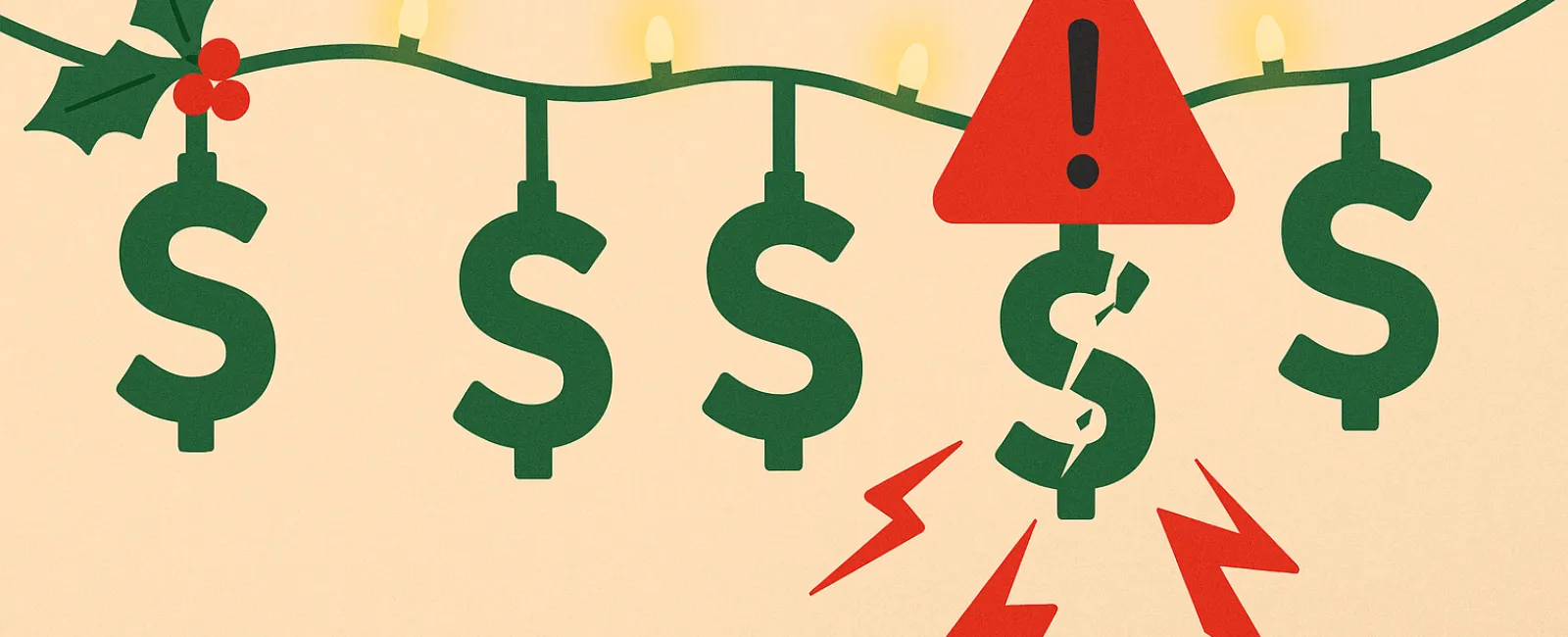
In December, an accounts payable clerk at a midsize firm received an urgent text seemingly from her "CEO": purchase $3,000 in Apple gift cards for clients, scratch off the codes, and email them over. Though it felt suspicious, the message bore the boss's name and arrived amid holiday chaos. By the time she verified, the gift cards had already been spent, leaving the business to absorb the loss.
While this scam was costly, others can devastate companies entirely. That same month, Orion S.A., a chemical producer based in Luxembourg, fell prey to a far more damaging scheme. An employee got what appeared to be normal emails requesting urgent wire transfers—seemingly from trusted colleagues or partners. They matched usual business patterns and without hesitation, several transfers were executed.
The outcome? $60 million vanished into cybercriminal accounts—over half the company's yearly profits lost through fraudulent wire transfers.
Think your small business won't be targeted? Think again. Gift card scams alone drained businesses of over $217 million in 2023, and business email compromise attacks made up 73% of cyber incidents in 2024. The holidays are prime for these crimes, as criminals exploit your team's distraction, stress, and higher transaction volume.
Top 5 Holiday Scams Your Employees Must Recognize (Before They Drain Your Wallet)
1. "Boss Needs Gift Cards" (The $3,000 Text Scam)
- The Scam: Impersonators pretend to be executives demanding gift cards "for clients" or "employee rewards." In Q1 2024, 37.9% of business email compromise cases involved gift card fraud.
- How to Prevent: Enforce a strict two-approval policy for gift card purchases. Train staff that executives never request gift cards via texts or emails.
2. Invoice & Payment Switch Scams (The High-Stakes Manipulation)
- The Scam: Hackers send false "updated banking information" or hijack vendor emails near year-end payments. In June 2024, Arlington, MA lost nearly $500,000 to such fraud.
- How to Prevent: Always verify banking changes with a trusted phone number, not the email sender. Implement a "phone confirmation rule" for transactions over $5,000.
3. Fake Shipping & Delivery Alerts
- The Scam: Phishing emails or texts impersonate UPS/FedEx/USPS with links claiming you need to "reschedule delivery."
- How to Prevent: Educate employees to visit carrier sites directly by typing URLs or bookmarking official tracking pages instead of clicking suspicious links.
4. Malicious "Holiday Party" Email Attachments
- The Scam: Emails with attachments like "Holiday_Schedule.pdf" or "Party_List.xls" can install malware once opened.
- How to Prevent: Disable macros, scan attachments rigorously, and foster a culture of verifying unexpected files before opening.
5. Fraudulent Holiday Fundraising Campaigns
- The Scam: Fake charity websites or bogus "company match" fundraisers that steal money or sensitive information.
- How to Prevent: Distribute an approved list of charitable organizations and mandate all donations go through official company channels.
Why These Scams Succeed (And How You Can Block Them)
The very digital tools that streamline business—email, online banking, and digital payments—are exploited by scammers. These attacks aren't outdated "Nigerian prince" emails; they're sophisticated social engineering combined with targeted company research.
Companies that conduct regular phishing drills reduce their breach risk by 60%, yet many small businesses neglect employee training. Multifactor authentication stops 99% of unauthorized access, but a surprising number still rely solely on passwords.
Your Ultimate Holiday Cybersecurity Checklist
Prepare your team now before the holiday rush:
- The Two-Person Rule: Require verbal approval via a separate communication channel for any transaction exceeding your set limit.
- Gift Card Policy: Formalize a policy banning gift card requests via email or text.
- Vendor Verification: Confirm banking or payment details changes by calling known contacts saved in your records.
- Enable Multifactor Authentication: Activate MFA for all email, banking, and cloud services.
- Holiday Scam Awareness: Educate your team on these top five scams with real-world case studies.
The True Price of Cybercrime: Beyond Dollars
While Orion's $60 million loss attracted headlines, the hidden fallout often hits smaller businesses even harder:
- Business operations grind to a halt during critical seasonal peaks
- Staff productivity plummets as they scramble to fix issues
- Client trust diminishes if customer data is leaked
- Insurance premiums spike following cyber incidents
On average, each business email compromise event costs $129,000—enough to jeopardize many small enterprises, especially during the most critical time of year.
Keep Your Holidays Joyful, Not Compromised
The holidays should celebrate success and growth—not costly wire fraud recovery. A quick team meeting, sound policies, and layered security measures can form a strong barrier against cybercriminals.
Remember: the Orion employee's one phone call verification could have prevented a $60 million loss. Equipped with awareness and simple safeguards, your business can avoid becoming the next cautionary story.
Ready to shield your team before the new year begins? Click here or call us at 253-292-3329 to schedule a 15-Minute Discovery Call. We'll guide you through straightforward, effective steps to protect your business and keep cybercriminals at bay. Give yourself the best gift this season: peace of mind.