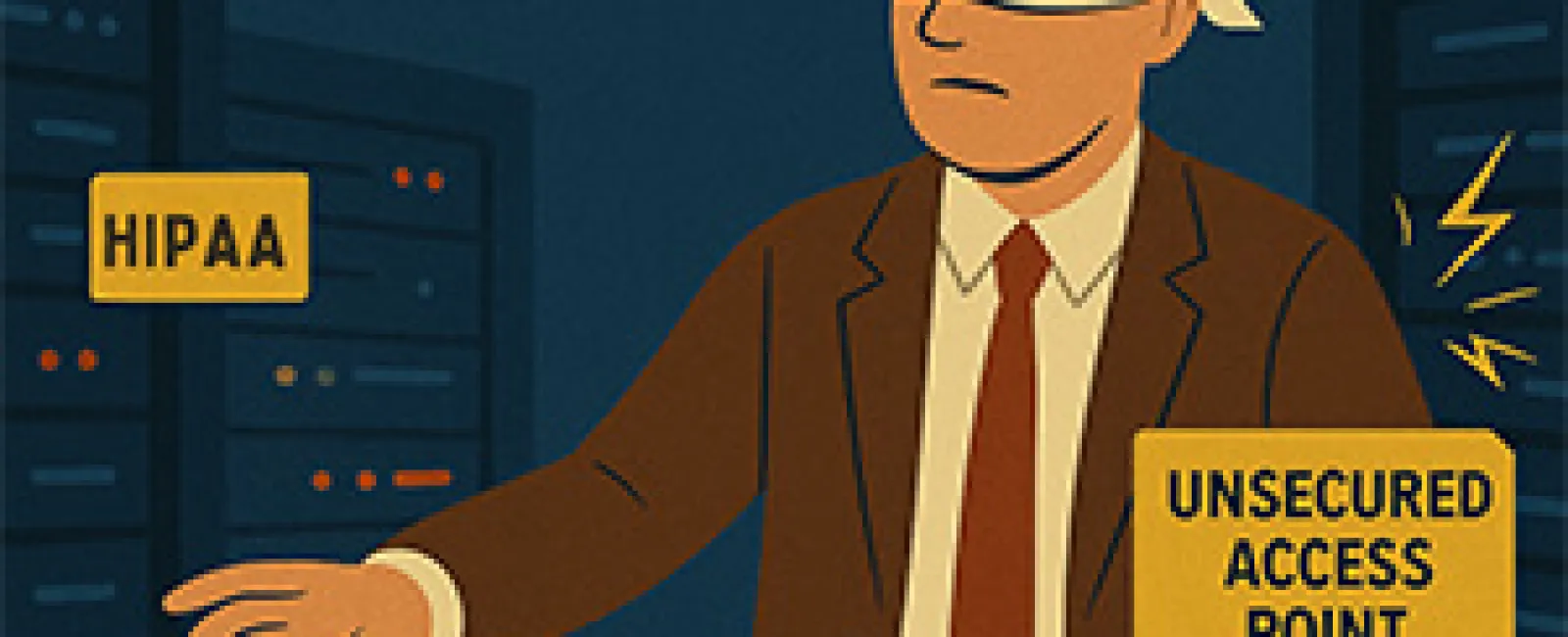
Many small business owners mistakenly believe that only large corporations need to worry about regulatory compliance. In 2025, this assumption is dangerously outdated. As regulations become stricter across industries, more small businesses are finding themselves under close scrutiny by compliance authorities.
Why Regulatory Compliance Is More Crucial Than Ever
Agencies such as the Department of Health and Human Services (HHS), the Payment Card Industry Security Standards Council (PCI SSC), and the Federal Trade Commission (FTC) have sharpened their focus on safeguarding data and protecting consumer privacy. Failing to comply is far more than just a legal misstep—it's a major financial threat and a risk to your business's reputation that can be devastating for smaller enterprises.
Critical Regulations Impacting Small Businesses
1. HIPAA (Health Insurance Portability and Accountability Act)
If your operation deals with protected health information (PHI), HIPAA rules apply. Recent amendments stress these essentials:
●
Encryption of all electronic PHI is now mandatory.
●
Ongoing risk assessments to uncover and mitigate potential threats.
●
Comprehensive employee training on privacy and security standards.
●
Incident response strategies prepared for data breach scenarios.
Noncompliance can bring severe penalties. Just last year, the HHS fined a small healthcare provider $1.5 million for insufficient data protection.
2. PCI DSS (Payment Card Industry Data Security Standard)
Businesses handling credit card transactions must meet PCI DSS standards, including:
●
Secure storage protocols for cardholder data.
●
Continuous network monitoring and vulnerability testing.
●
Firewall and encryption implementations.
●
Strict access control to limit data exposure.
Failure to comply can lead to fines as steep as $5,000 to $100,000 per month based on the breach's impact and duration.
3. FTC Safeguards Rule
Companies collecting consumer financial data must:
●
Create a formal written information security plan.
●
Appoint a dedicated security officer responsible for oversight.
●
Perform routine risk evaluations.
●
Adopt multifactor authentication (MFA) to enhance security.
Noncompliance can trigger fines up to $100,000 per violation for businesses, with individuals liable for up to $10,000.
Consequences When Compliance Is Overlooked
Consider a small medical office struck by ransomware due to outdated security procedures. Besides a $250,000 fine from HHS, they faced a massive loss of patient trust, driving away clients. Taking full ownership of your data security is non-negotiable for your business's survival!
Essential Actions to Achieve Compliance
- Thorough Risk Assessments: Conduct regular audits to spot and fix vulnerabilities.
- Advanced Security Implementation: Leverage encryption, firewalls, and MFA to secure sensitive data.
- Employee Compliance Training: Equip your team with knowledge of compliance laws and best practices.
- Comprehensive Incident Response Planning: Develop clear procedures to tackle breaches swiftly.
- Collaboration With Compliance Specialists: Work alongside experts to navigate complex regulations effectively.
Act Now Before Compliance Issues Harm Your Business
Regulatory compliance is more than legal box-checking; it's integral to maintaining your business's credibility and long-term success. Ignoring these requirements can lead to crippling fines and irreversible reputational damage.
Want to Evaluate Your Compliance Status?
Take advantage of our FREE 15-Minute Discovery Call to uncover vulnerabilities and ensure your operations fully comply with regulations. Don't let hidden compliance gaps threaten your business growth.
Click here or call us at 253-292-3329 to schedule your FREE 15-Minute Discovery Call today.